

Would we ever consider sending our Olympic athletes to Sochi
without a coach? How are the athletes in Sochi similar to intellectually
and creatively gifted learners? How are they different? How do we as teachers coach our gifted
students toward academic and creative greatness?
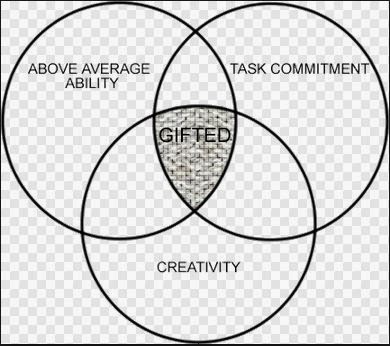
According to Renzulli, giftedness occurs
when we have above average ability, commitment to task, and high levels of
creativity. This definition fits our Olympic athletes, although I wonder
how much creativity it takes to ride the luge. I guess I will have to ask
Erin Hamlin of the United States.
Athletic ability is one area of giftedness according to the
Marland Report of 1973. That proves that our best athletes are highly
gifted. But with millions, perhaps billions, of people watching the
Olympics from around the world that seems like a given.
According to the Columbus
definition, "Giftedness is asynchronous development in which advanced
cognitive abilities and heightened intensity combine to create inner
experiences and awareness that are qualitatively different from the norm. This
asynchrony increases with higher intellectual capacity. The uniqueness of the
gifted renders them particularly vulnerable and requires modifications in
parenting, teaching and counseling in order for them to develop
optimally." I can’t imagine our
athletes experiencing asynchrony.

Perhaps when they were young and trying to do difficult “tricks” they
saw their heroes performing perfectly that might have caused some feelings of
asynchrony. Asynchrony is more common
for our intellectually and creatively gifted kids? They have these amazing ideas in their heads
but they sometimes cannot get those ideas out onto the paper. The sculptures or models do not come out
quite the way they had planned. This can
lead to complete emotional breakdowns. Shaun
White experienced a failure to medal in this year’s Olympics. Things didn't quite come out the way he
wanted them to. But, he showed children
everywhere, how to lose with grace. That
is a lesson I hope every child brings with into adulthood. Especially our gifted kids because it can
sometimes be difficult to deal with failure when you always do things
well. It is easier to learn how to fail
when you are young, with the help of a wise parent or mentor, than when you are
older and haven’t failed until you hit your first difficult class in college or
a situation you didn't handle correctly in the workplace. Those kinds of failures can seem far more
crippling if you haven’t had instruction or modeling in how to fail gracefully
and pick yourself back up. I image Shaun
has had many failures along the way and learned lessons that he was able to
share with the world.
The Olympics begin with a dream.
For most athletes, reaching their dreams requires countless hours of
training for both their mind and their bodies. In the book Outliers by Malcom Gladwell, he says that is takes 10,000 hours to master a topic. That made perfect sense to me until I read an article by Tony Manfred discussing a book called The Sports Gene. If both Shaun White and I began snowboarding
at the age of 5 and roughly spent the same number of hours on the half pipe,
with the same level of coaching, I cannot imagine that we would be at the same
level of mastery in the sport. Our
genetic makeup is quite different and I am not so keen about being upside down over
hard packed snow.
This seems true for gifted kids as well. It takes gifted kids 1-2 repetitions to
master information, where it might take the average student between 8-15
repetitions to understand the same piece of information. This means that a gifted student will need
far less practice than the average student.
It would also mean that the 10,000 hour rule would be debunked because
the number of hours of practice is far different depending on the skills and
level of task commitment each person possesses. It stirs up the age old question of nature vs. nurture.

There is a lot of competition to get into gifted programs. Like Olympic athletes, some students are
recognized early, while others do not start “training” until they are in Jr.
High or even High School. For gifted students, great “training” comes
in the form of highly trained gifted teachers and/or intellectual mentors. Ideally a student would train with someone
who knows more than they do about topics they are interested in. In some cases, this intimidates
teachers. If the student is working
beyond the teacher’s level, then together they need to find the best print,
digital, and human resources for the gifted learner so they can proceed to the
next level.
It would be a crime to keep our best athletes from reaching their
dream. If the talent is there and the desire
is strong we help them achieve their goals.
The same should be true for our best and brightest students. If they are
committed to the task, have a high degree of skill and creativity, we should
challenge them beyond where they are currently working, and help them take the
intellectually journey toward greatness. Not offering gifted students well equipped coaches, would be like the ring malfunction at the opening ceremony in Sochi when the final ring of the Olympic symbol didn't open. It is very noticeable to us and those around us when we do not reach our potential.

Exceptional teacher and coaches come alongside their gifted students as an advocate/ally, adapt the curriculum to meet the needs of each student, creating an architecture that maximizes
their potential, aggregates the best resources, and creates an atmosphere that
eventually leads to complete autonomy. This model works for coaches and teachers. In education the A+ model creates exceptional gifted teachers who help their students “Go For the Gold.”

